Focused arrival windows
Useful updates and clear arrival timing.
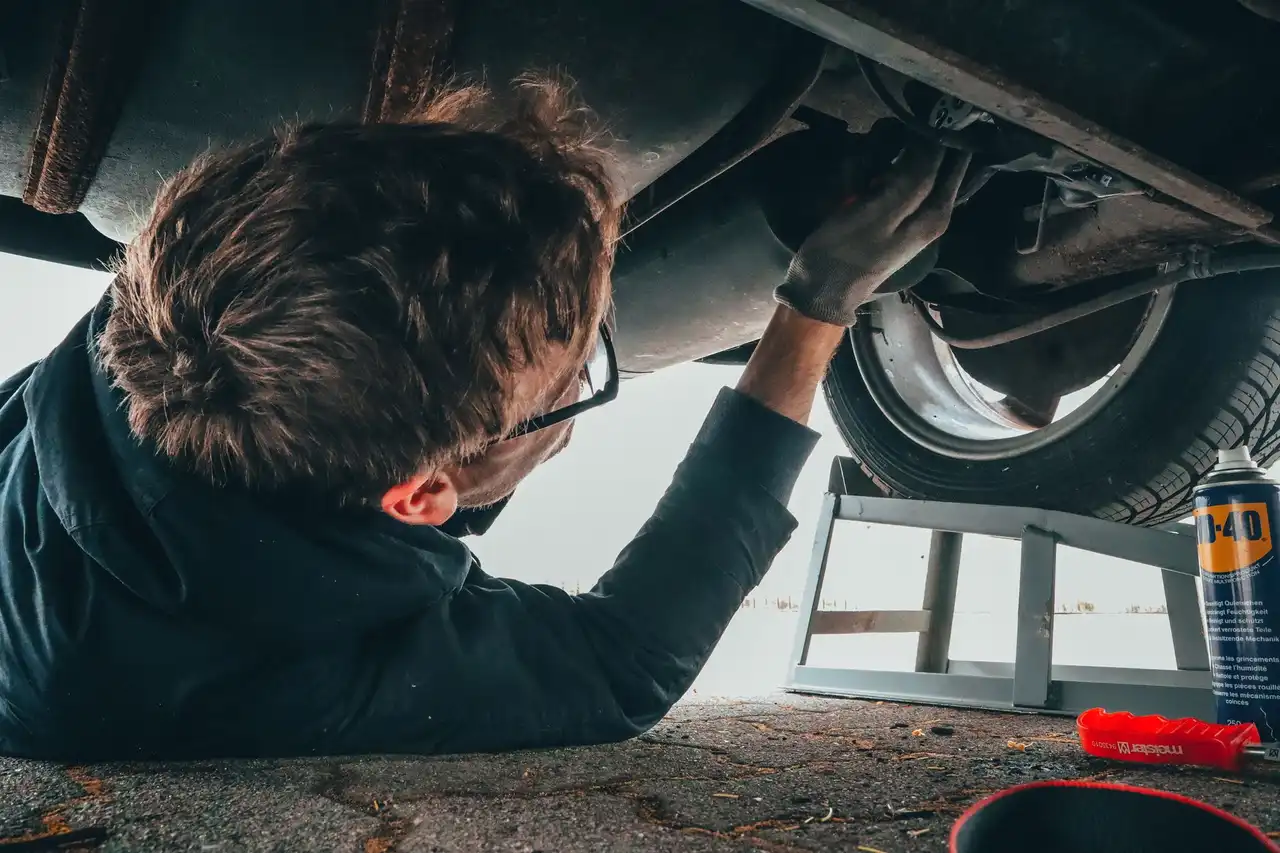
Garage Door Jerking Repair Lawton OK gets to the root cause of the shudder, bang, and uneven travel that shakes your whole door frame. Whether your door jerks on the way up, slams down, or stops halfway, we diagnose the torsion spring, cable, or roller problem and repair it the same day across Comanche County. One call and your door runs smooth again.
Useful updates and clear arrival timing.
Review the approach and price before deciding.
Equipped vehicles and respectful cleanup.
Neighbors serving neighbors with follow-through.
Every jerking repair starts with a full inspection and ends with a balance and safety test. Here is what is covered in a standard repair. If we find a separate issue, like a bent track or a worn bottom seal, we show it to you and quote it before we touch it.
We disconnect the opener, raise the door by hand, and check the torsion springs, galvanized cables, drums, bearings, rollers, hinges, and track. This 15 to 20 minute inspection finds the exact cause of the jerk, not just the symptom.
We measure spring tension with winding bars and compare it to the door weight. A spring that has lost tension is the most common cause of jerking, and we replace it with the correct cycle-rated spring for your door.
We inspect every galvanized cable for fraying and check that both cables are seated properly on the drums. A cable that has jumped the drum will make the door jerk and can drop it if ignored.
We roll each steel or nylon roller by hand and replace any that are flat-spotted or binding. Hinges get tightened and lubricated with a proper lubricant spray, not a thin solvent that evaporates.
After the repair, we balance the door at the halfway point, run five full cycles, and test the safety reverse and photo-eye sensors. You watch the final cycle with us before we pack up.
Share what is happening and receive a clear next step from the local team.
Garage Door Jerking Repair Lawton OK is a diagnostic repair service that traces the violent shudder, hesitation, and uneven travel in a garage door back to its mechanical source, then corrects it. A jerking door is almost never the opener's fault. It is a torsion spring that has lost tension, a frayed galvanized cable riding off its drum, a bent track bracket, or a steel roller that has flat-spotted and is dragging instead of rolling. We measure spring tension, inspect every cable and drum, and check the track for alignment before we touch a wrench.
Lawton doors take a beating. Summer heat pushes attic temperatures past 140 degrees, which fatigues torsion springs and dries out nylon rollers. Winter cold snaps contract the steel and make a marginal spring snap. Add the red dirt and caliche dust that blows across Comanche County, and your tracks and rollers collect grit that turns a smooth glide into a jerky grind. If your door jerks every morning, you are one cycle away from a snapped cable or a dropped door. We handle Garage Door Jerking Fix Lawton OK calls daily, and we carry the springs and cables to finish most jobs on the first visit.
Call (580) 771-2435 and describe the jerk. Does it happen on the way up, the way down, or both? Is there a bang at the start? Those answers tell us whether to load torsion springs or cables first. We book a same-day window and text you when the tech is on the way.
The technician disconnects the opener, raises the door by hand, and feels for the catch point. We measure spring tension with winding bars, check every galvanized cable for fraying, inspect the drums and bearings, and roll each steel or nylon roller by hand. This takes 15 to 20 minutes and finds the real cause.
Before any work starts, you get a flat price for the repair. If we find a second issue, like a bent track bracket or a worn bottom seal, we show it to you and quote it separately. You decide what gets fixed. No surprise line items when the invoice arrives.
We secure the door with C-clamps, then replace the failed spring, cable, roller, or bracket using winding bars and a socket wrench set. Tracks get realigned and torqued. Hinges and rollers get a proper lubricant spray, not WD-40. Most jerking repairs take two to four hours.
We reconnect the opener, run the door through five full cycles, and check the balance by hand at the halfway point. The safety reverse and photo-eye sensors get tested too. You watch the final cycle with us, and we do not leave until the door runs smooth and quiet.
Used to safely release and set torsion spring tension. A proper winding bar is the only safe way to work on a spring holding 200 to 300 pounds of force.
Used to lock the door in place on the track before we disconnect the opener or work on the springs, so the door cannot drop while we are under it.
Used to remove and torque track brackets, hinges, and end bearing plates. We torque hardware to spec so it does not vibrate loose after the repair.
A proper garage door lubricant, not WD-40, applied to hinges, rollers, and the torsion shaft. It stays put and does not attract the red dust that gums up the track.
Used to check track alignment, door square, and spring balance. A door that is out of square will jerk no matter how many parts you replace.
Standard safety gear on every job. Spring and cable work is dangerous, and we follow OSHA safety compliance on every repair.
We disconnect the opener and raise the door by hand to the halfway point. A properly balanced door stays there. If it drops or rises, the springs are out of balance, and that is the source of the jerk.
We replace torsion springs with the correct cycle-rated spring for your door weight and usage. A standard spring is rated for about 10,000 cycles, and we offer higher-cycle options for doors that run more than four times a day.
When one galvanized cable fails, we replace both as a pair. Cables wear at the same rate, and replacing only one leaves the second ready to snap a few weeks later.
After every repair, we test the safety reverse with a 2x4 block and check the photo-eye sensors. The door must reverse on command. This is a DASMA and UL 325 requirement, and we do it on every job.
We schedule a same-day window that fits your shift, diagnose the spring or cable, and repair it on the first visit. We carry the parts on the truck so you are not waiting for a second appointment. You leave for work the next morning with a door that opens smooth and quiet, and you are not late.
Cold contracts the steel and can snap a marginal torsion spring. We inspect the springs and cables, replace the failed part, and balance the door for the winter ahead. The door runs smooth through the rest of the cold season, and you avoid a mid-winter emergency call.
We coordinate with your tenant, diagnose the jerk, and repair the spring, cable, or rollers. We send you the invoice and photos so you can approve the work without driving over. Your tenant has a working door, and you avoid a maintenance complaint or a liability issue.
We check the sensors, the travel limits, and the spring balance. A jerking door can trip the safety reverse, so we fix the mechanical cause and reset the opener logic. The door closes and stays closed, and the safety reverse still works when it should.
Lawton garage doors live in a tough climate. Summer attic temperatures push past 140 degrees, which fatigues torsion springs and dries out nylon rollers. Winter cold snaps contract the steel and can snap a spring that was already weak. Add the red dirt and caliche dust that blows across Comanche County, and your tracks and rollers collect grit that turns a smooth glide into a jerky grind. We see this pattern in every neighborhood, from the older wood-panel doors in Lawton Heights to the newer steel doors in Pecan Valley. When you call for Garage Door Jerking Repair in Lawton, Oklahoma, we ask what the door does and when it started. If the jerk began after a cold snap, we load springs. If it started gradually over the summer, we load rollers and cables. That phone diagnosis saves you time and gets the right parts on the truck. We also cover Fort Sill and the surrounding area, and we know the housing stock well enough to bring the right spring for a 1960s door or a modern insulated panel. If you need Garage Door Jerking Fix Fort Sill OK, we are already working in that area most weeks.
Many homes here have original 1960s wood-panel doors with extension springs. Those springs fatigue faster in the heat, and we stock the correct replacements.
Newer steel doors with torsion springs are common here. The jerk usually traces to a dry roller or a spring that has lost tension after several summers.
Rental turnover means doors get heavy use. We see more worn rollers and cables here, and we handle a lot of same-day calls for military families.
Older commercial and residential doors with steel rollers. The red dust gets into the track, and we clean and lubricate as part of the repair.
Heat fatigues torsion springs and dries out nylon rollers. A spring that would last 10,000 cycles in a mild climate may fail sooner here. We recommend higher-cycle springs for doors that face west.
Cold contracts the steel and makes a marginal spring snap. If your door jerks more in winter, the spring is the likely cause, and we replace it with a cold-rated option.
Dust collects in the track and on the rollers, turning a smooth glide into a jerky grind. We clean the track and use a lubricant that does not attract dust, so the repair lasts.
A homeowner in Lawton Heights called because the door jerked and banged every morning. The opener was straining, and the door felt heavy by hand. We found a broken torsion spring and a frayed cable on the left drum.
We replaced the torsion spring with a 10,000-cycle replacement, installed a new pair of galvanized cables, and balanced the door. The door now opens smooth and quiet in under 12 seconds, and the opener is no longer straining.
Maintenance: We recommended lubricating the springs and hinges twice a year and watching for any new jerk. The new spring should last 7 to 10 years with normal use.
A Pecan Valley customer complained that the door jerked and ground through the whole cycle. The door was only four years old, so the springs were fine. We found flat-spotted steel rollers and dry hinges.
We replaced all 12 rollers with quiet nylon rollers, lubricated the hinges and track, and tightened the hardware. The door now runs at 38 decibels, quieter than a normal conversation, and the jerk is gone.
Maintenance: We suggested a yearly lubricant spray on the rollers and hinges. Nylon rollers last longer in the heat, and the quiet operation is a good sign they are rolling, not dragging.
A property manager near Fort Sill reported a door that jerked on one side and stopped halfway up. The tenant was stuck. We found a galvanized cable that had jumped the drum and was fraying fast.
We replaced both cables as a pair, reseated the drums, and checked the bearings. The door now travels level and smooth, and the tenant can get in and out without calling the manager.
Maintenance: We told the manager to have the door checked once a year and to watch for any one-sided jerk. Replacing both cables at once prevents the second one from failing later.
A jerking door shows up in different ways, and each one points to a different failing part. Here are the most common jerking problems we fix for Lawton homeowners.
This usually means a torsion spring has lost tension or snapped. The opener is straining to lift a door the spring should be helping with, and the motor will burn out if you keep running it. We replace the failed torsion spring with a cycle-rated replacement, balance the door, and reset the opener force limits. Most spring replacements are finished in two to three hours, and the bang stops immediately.
One-sided jerking points to a frayed or off-drum galvanized cable. If the cable snaps, the door can drop or twist off track, which is a safety hazard and a much bigger repair. We replace both cables as a pair, reseat the drums, and check the bearings for wear. Replacing both cables at once prevents the second one from failing a month later.
Constant grinding and jerking usually means flat-spotted steel rollers or dry nylon rollers dragging in the track. It is noisy, it wears the track, and it strains the opener every cycle. We replace the worn rollers with quiet nylon or steel sets, lubricate the hinges and track, and tighten any loose hardware. The door runs smooth and quiet, usually in under two hours.
A door that jerks and stalls has a binding track, a worn bearing, or an opener travel limit that is out of adjustment. Running it repeatedly can strip the opener gear or bend the track. We find the binding point, realign or replace the damaged track section, replace worn bearings, and reset the opener travel limits. We test the full cycle before we leave.
Our technicians work on Lawton garage doors every day, from 1960s wood-panel doors in Lawton Heights to new steel doors in Pecan Valley. We are licensed and insured in Oklahoma and trained on LiftMaster, Chamberlain, and Genie systems. We follow DASMA guidance on spring and cable replacement and keep OSHA safety compliance on every job site. That means we know how a Comanche County summer cooks a torsion spring, and we know which rollers survive the red dust. We carry the parts to prove it.
A jerking door in Lawton usually means a torsion spring has lost tension, a galvanized cable is fraying, or a roller has flat-spotted and is dragging. Heat and red dust accelerate all three. We inspect the springs, cables, rollers, and track in about 20 minutes and tell you exactly which part is failing. Most jerking repairs are finished the same day.
Typical 2026 pricing in Lawton runs $180 to $450 for most jerking repairs, depending on whether we replace a roller set, a cable, or a torsion spring. A single-spring replacement with labor sits in the middle of that range. You get a flat quote before we start, so there is no surprise on the invoice.
You can safely lubricate rollers and hinges or tighten a loose track bracket. Do not touch the torsion springs or cables. Those parts hold 200 to 300 pounds of tension and can cause serious injury if they slip. If the jerk comes from the spring, the cable, or the drum, call us. We have the winding bars and the training to do it safely.
Yes. If your door is stuck open, jammed shut, or hanging off track, call (580) 771-2435 and tell us. We prioritize emergency jerking calls across Lawton, Fort Sill, and Comanche County. Most emergency repairs are handled the same day, and we carry the springs and cables to finish on the first visit.
Not seeing your question? Our local team can help you understand urgency, scheduling and what to expect.
Ask the local teamA tired torsion spring is the number one cause of a jerking door. We replace broken or weak springs, balance the door, and restore smooth travel. If your door jerks and feels heavy by hand, the spring is the likely culprit.
View service
A frayed or off-drum galvanized cable makes the door lurch and jerk on one side. We replace both cables as a pair, reseat the drums, and test the balance so the door travels level and smooth.
View service
A bent or misaligned track makes rollers catch and the door shudder. We straighten or replace damaged track sections, realign the brackets, and torque everything so the rollers glide instead of grind.
View service
Flat-spotted steel rollers and dry nylon rollers are a common cause of jerking. We replace worn rollers with quiet nylon or steel sets and lubricate the hinges so the door runs smooth and quiet.
View service
Phone is the fastest way to reach us, and it is how most of our Lawton customers book. We answer during business hours and return after-hours calls within the hour. Tell us what the door is doing and we will tell you what it likely needs and when we can be there. Same-day service is common, and emergency calls get priority.